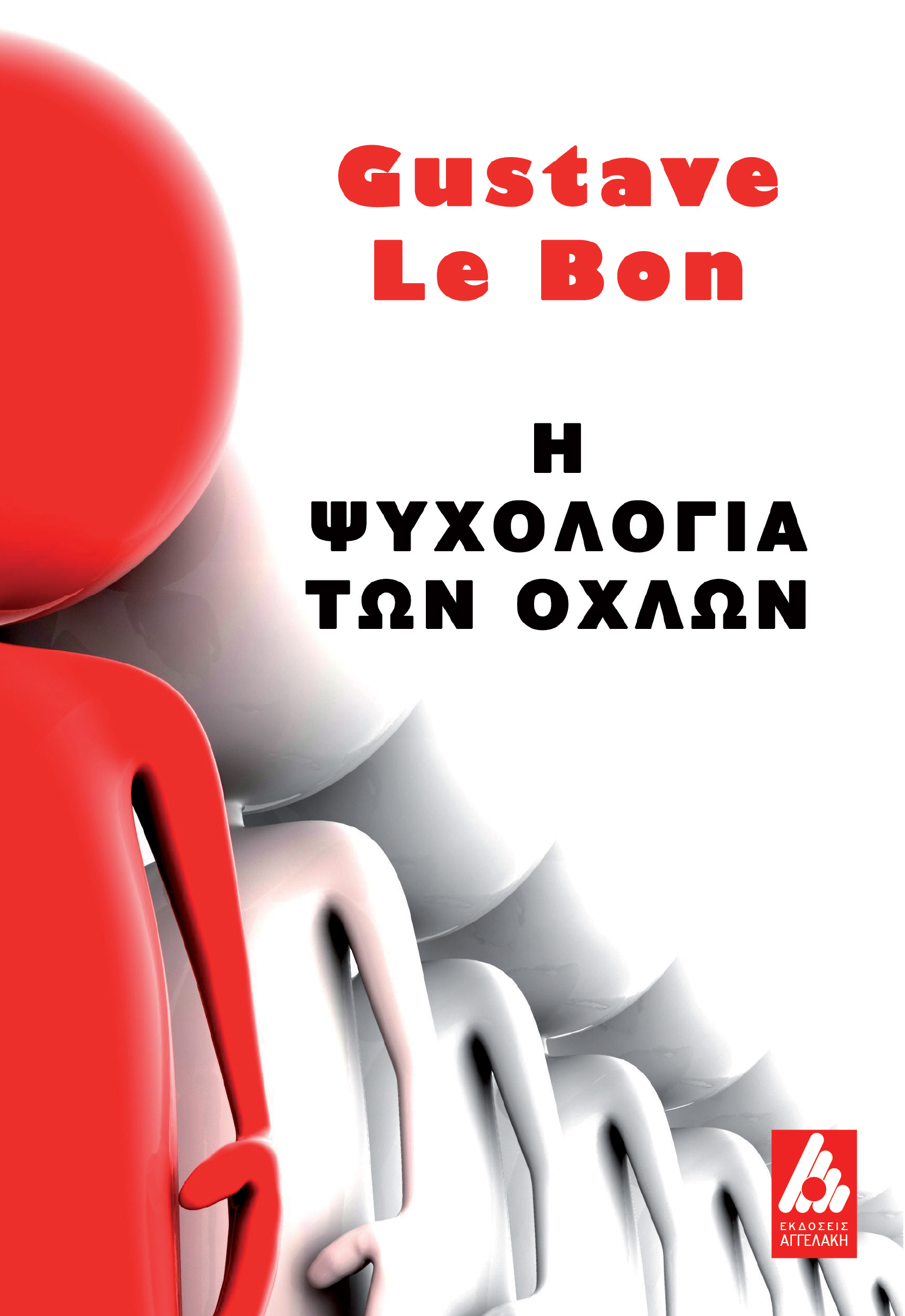
The psychology of mobs (Audiobook)

Τιμή angelakis.gr: 11,90€

SKU: 20230328 Category: Brand:
Description

“Mobs have always played a serious role in history, but never as important as today. The unconscious action of mobs, as it comes under the influence of the action of individuals, represents one of the characteristic features of our time.”

In this work, Le Bon formulates his theory of the effect of mass on the psychology of the individual and lays the foundations for the science of social psychology. All the individual characteristics of a person such as reasoning, consciousness, critical ability within the mass are leveled downwards.
Mobs have characteristics completely different from those of the individuals who compose them. Different personalities merge into a single entity of thought and feeling.

This book had a special impact on the leaders of the 20th century and contributed to the construction of the fascist regime.

Additional information
ISBN978-960-616-479-8
LabelPURCHASE VIA BOOKVOICE
Reviews (0)

Reviews

There are no reviews yet.

Be the first to review “The psychology of mobs (Audiobook)”

Your email address will not be published. Required fields are marked *

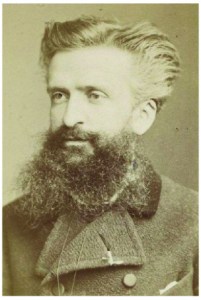
About Gustave Le Bon
Gustave Le Bon (7 May 1841 – 13 December 1931, France)French sociologist, psychologist, anthropologist, archaeologist, historian, physician and inventor. He became known mainly, at least in Greece, with his work "The Psychology of the Masses (or Crowds)" (The Crowd: A Study of the Popular Mind, 1895). He began his writing activity in the field of anthropology. His writing work incorporates theories of national characteristics, racial and male superiority, herd behavior and crowd psychology. He traveled for at least twenty years (1860-1880) in Europe, Asia and North Africa. His conclusions, in each of the above scientific fields, in which he was involved, are completely based on his research, scientific proof and are characterized by absolute objectivity. Like other sociologists of his time, he mainly studied mob behavior and, based on his psychology, analyzed various historical and political events, laying the basis for the science of social psychology. The findings of his research were contrary to the prevailing theories and beliefs about the equality of people and races, peace and brotherhood. He demonstrated not only the unscientific character of these theories, as contrary to reality, but also their disastrous results, when they prevail. Le Bonne's theories influenced Hitler in the creation of the fascist regime and in the foundation of the practice of propaganda. His main works are: The Psychology of the Mobs, Political Psychology and Social Defense, The Psychology of Revolutions, The Psychology of the modern era.