Free shipping with purchases of €20


Description
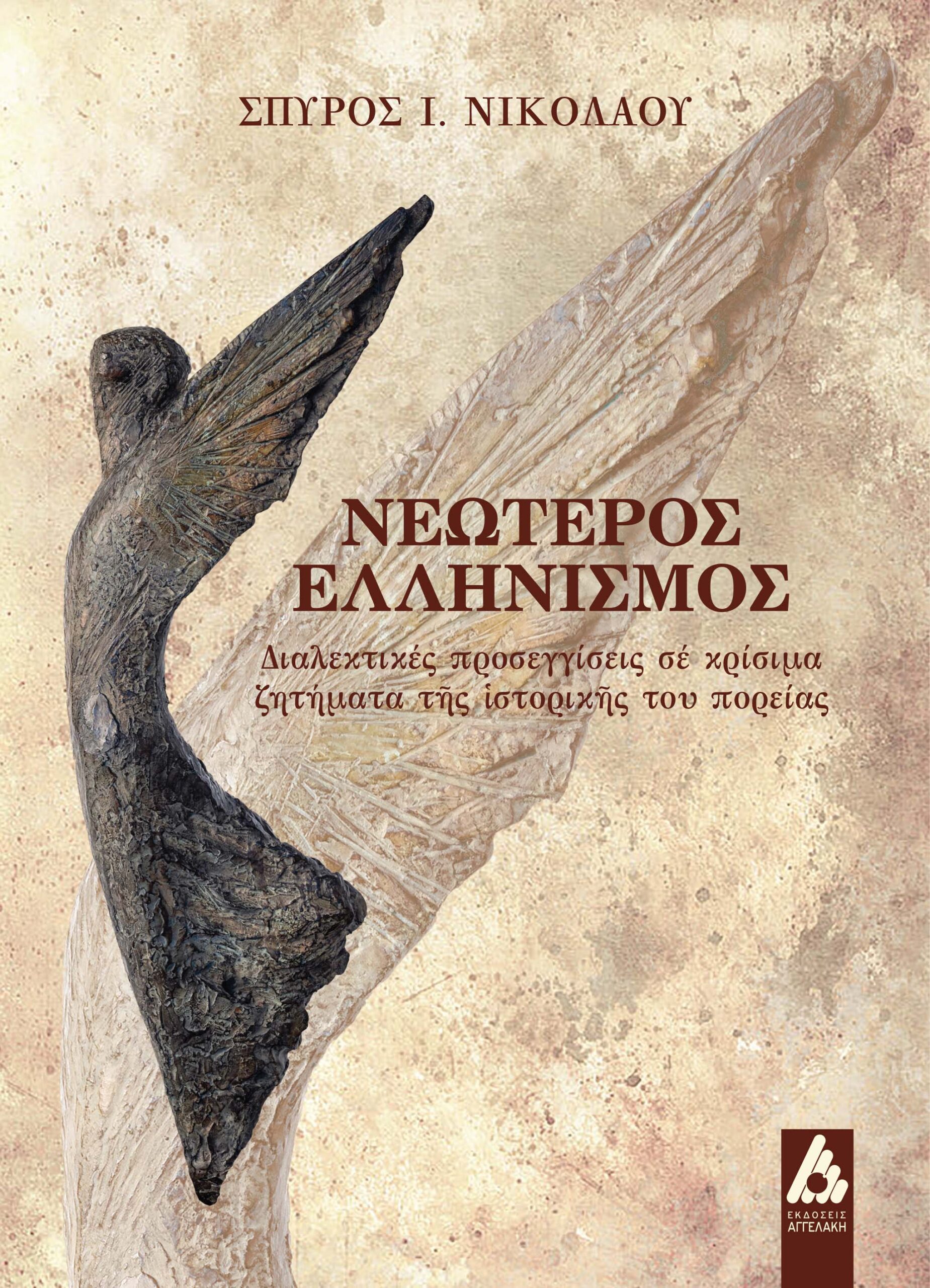
The book you have in your hands is a historical book, but not in the usual and perhaps primary sense of the term. You will not find in it descriptions of battles, naval battles, political developments or other events of our modern history, beyond the measure required by its main purpose. The reference to events or persons is made in the context of an effort to find the causes that have caused them and to highlight the importance and consequences they had, both for the course of our nation and for the history of other states, or Europe in general. From the identification and analysis of these elements, the main characteristics, the creative abilities and the basic weaknesses of our people emerge that respectively caused their achievements or the failures and disasters that hit us during the same period of time. The general picture that the 22 chapters of the book give us about modern Hellenism is its upward course, from the sad situation it was in after the Fall of Constantinople, to its spiritual and political renaissance in 1821 and further to its territorial and cultural development until its formal integration into the European family. At the same time, both his weaknesses and the dangers he faces from forces hostile to him arise. If we can draw one conclusion from these chapters, it is that our nation has the moral and intellectual strengths as well as friendly ties with other states – not just Europe’s – so that it can be optimistic about its future.
Additional information
| Weight | 1 kg |
|---|---|
| Βιβλιοδεσία | Paperback |
| Διαστάσεις | 17x24cm |
| Αριθμός Σελίδων | 542 |
| Ημ. Έκδοσης | December 2021 |
| ISBN | 978-960-616-241-1 |
Reviews (0)
About Nikolaos Spyros I.
Spyros Nikolaou was born in Athens in 1930. After
his high school studies, he entered the Law School of the National and Kapodistrian University of Athens, from which he
received his degrees in Law as well as in Political and Economic Sciences, and after fulfilling
his military obligations, he served as an officer in the Navy
, and went as a scholar of the I. In
1958, he entered the Council of State, where
he made a career up to the rank of Councillor. During the Dictatorship
He participated in two resistance organizations, the second of which played a
serious role in the fall of the Junta and the restoration of Democracy. After the
change of government, he served as Legal Advisor to the Prime Minister Konstantinos Karamanlis
and the President of the Republic Mich. Stasinopoulos, collaborating with the competent
government officials in the drafting of the Draft Constitution and
its final formulation. as well as in a series of legislation for the implementation of its new
provisions. In 1984, he participated in a group of members of the Athenian Society, which
In view of the already appearing ignorance or
mistreatment of Greek History, they wanted to strengthen the interest in
its knowledge and the dissemination of historical studies and research, and for this purpose
they founded the Society for the Study of Greek History, of which he served for
more than thirty years as general secretary, participating himself in her work with articles and
lectures.
Related products

The Governor’s other face. John Kapodistrias
Τιμή εκδότη: 20,00€
Τιμή angelakis.gr: 18,00€

The history of the Greeks of Egypt (6 volumes)
Τιμή εκδότη: 100,00€
Τιμή angelakis.gr: 90,00€

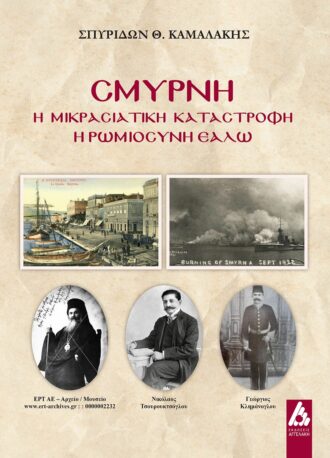
Smyrna: The Asia Minor Catastrophe. Romiosini has fallen
Τιμή εκδότη: 15,00€
Τιμή angelakis.gr: 13,50€
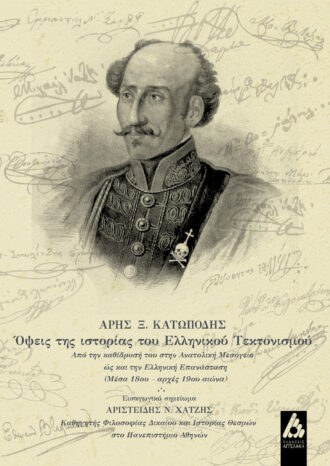
Aspects of the history of Greek Freemasonry
Τιμή εκδότη: 16,00€
Τιμή angelakis.gr: 14,40€

The Latin Principalities of Medieval Greece
Τιμή εκδότη: 14,00€
Τιμή angelakis.gr: 12,60€

The Greek Associations in Egypt
Τιμή εκδότη: 18,00€
Τιμή angelakis.gr: 16,20€
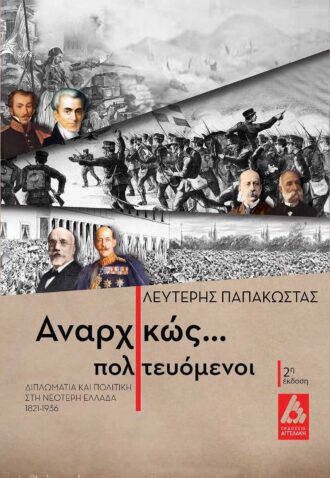
Anarchist politicians
Τιμή εκδότη: 18,00€
Τιμή angelakis.gr: 16,20€





Reviews
There are no reviews yet.