Free shipping with purchases of €20

Interview of Yiota Angelopoulou with Marika Arvanitopou

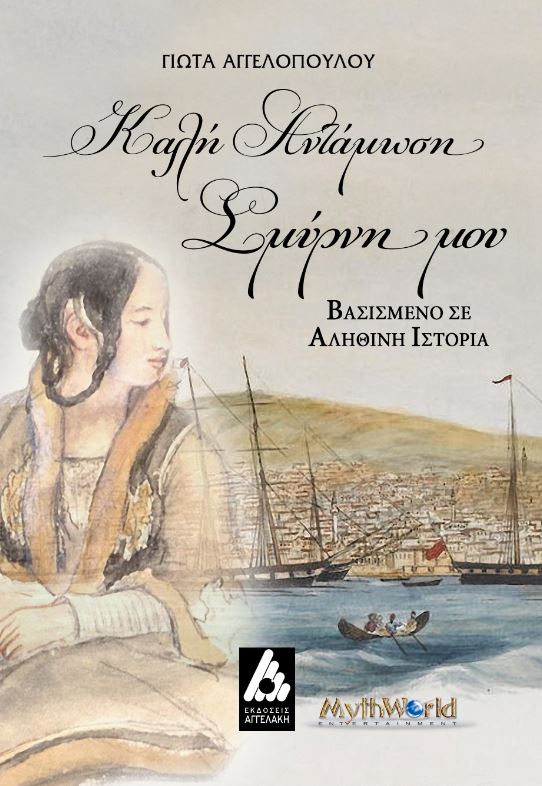
Mr. Angelopoulos, you are dealing again with a story from another era. What enchants you in this different time placement?
I love the 19th century. It was a time of great change in all areas, which makes her exciting for writing a book. In that century, the way of life of people changed substantially, which shaped the modern world as we know it today. It is a diverse period, a time of great literary and artistic pursuits, an era with important historical events that provide rich material for exploration and inspiration for a writer.
– See you soon, my Smyrna. We read many books this year about Smyrna and the lost homelands. What’s different about this?
Most books about Smyrna refer to events or stories that take place at the time of its destruction, shortly before or after it. See You Soon , My Smyrna is a historical novel about a love story around 1850 and through it the social life in Smyrna, the social treatment, the experiences of a woman through family, school, marriage, separation are indirectly projected.
Here the story unfolds through a love story of a little girl with an English captain. Has there been historical research and has evidence from a true story been used that has reached you?
The love story is about fictional characters, but the environment that takes place is authentic of that time and the historical events are real. For example, the description of Smyrna, the districts where it was built, the way of life, the foreigners who lived in the city, the reasons that made them visit Smyrna, everything that is mentioned in the book emerges from existing elements of wider bibliography.
As we saw in your previous book, you are particularly concerned about the position of women. Is it true that women in past times were locked up at home but with some ”rights” that they lost when they left the house? Or fortunately the world is moving forward?
It is true that in the past, women were trapped inside the home and were not given the same opportunities as men in many areas of life. But as they began to push for equality and socialization, they were faced with challenges and many obstacles along the way. However, over time, the trend for equality grew and we reached today where women gained opportunities to participate fully in all areas of life. While there is still work to be done to address issues such as violence, discrimination and unequal pay, I believe that people will move towards a fairer and more inclusive future for women.