Free shipping with purchases of €20

Description
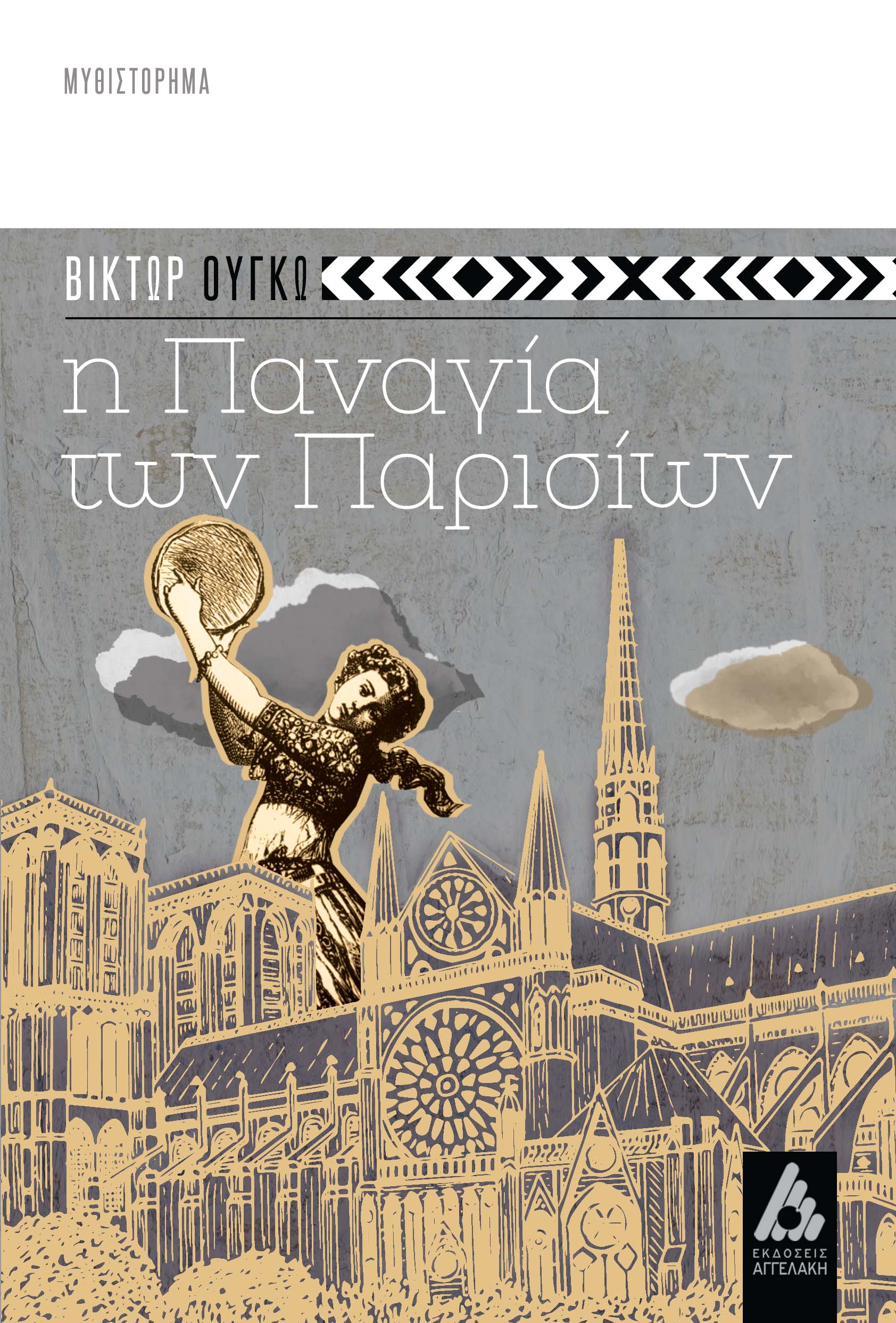
The beautiful gypsy Esmeralda falls in love with Captain Phoebus de Chatopér. But the archdeacon Claudius Frollo, who wants to make the beautiful gypsy his own, unable to control his dark passion, stabs the captain. He then blames Esmeralda for the murder because she rejects him, and the court sentences her to death, believing that Phoebus is dead. However, Quasimodos, the hunchbacked and ugly bell-ringer of Notre Dame, who is secretly in love with the beautiful gypsy, grabs her and hides her in the labyrinthine church, but finally the archdeacon manages to take her out of his hands and hand her over to the executioner. The tragic love story ends with Esmeralda on the gallows and Quasimodo punishing Frollo by throwing him out of the temple, and disappearing. In this leading novel of romantic literature, Hugo, along with the moving and tender story of Esmeralda and Quasimodo, praises the wonderful North Dame, describes the urban planning of Paris and denounces the architectural interventions that took place in the cathedral and other monuments of the Middle Ages. He recounts events against obscurantism and criticizes the Church.
Additional information
| Weight | 1 kg |
|---|---|
| Βιβλιοδεσία | Paperback |
| Διαστάσεις | 21x14cm |
| Αριθμός Σελίδων | 778 |
| Ημ. Έκδοσης | 2020 |
| ISBN | 978-960-616-154-4 |
Reviews (0)
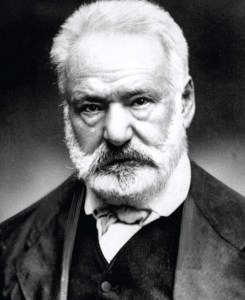
About Victor Hugo
Victor Marie Vicomte Hugo (26 February 1802 – 22 May 1885) was a French novelist, poet and dramatist, the most important and prominent representative of the French Romantic movement. His value was soon recognized within the French academic circle and the wider reading public. He was described as a "child prodigy", as at the age of 15 he received praise from the French Academy. At the same time, he became involved in politics, gradually mutating from a pro-monarchist conservative to a radical democrat. In the last period of his life he became acquainted with the worship of the French nation, identifying with France itself. Above all, however, as the greatest French writer of the immediate post-revolutionary environment, he was the poet of the new world, the prophetic, hallucinatory philosopher and mythmaker of a radically new era. His oeuvre is rich in plays, novels, translations and poetry collections. His most important works: The Les Misérables, Notre Dame, The Last Day of a Convict, The Man Who Laughs.
Related products


The dance of the squinting fly
Τιμή εκδότη: 14,00€
Τιμή angelakis.gr: 12,60€

The prophecy of Atlantis
Τιμή εκδότη: 17,00€
Τιμή angelakis.gr: 15,30€

When love spoke with letters
Τιμή εκδότη: 18,00€
Τιμή angelakis.gr: 16,20€
Your past belongs to me
Τιμή εκδότη: 17,00€
Τιμή angelakis.gr: 15,30€

Breach of Duty: Stories of a Psychiatric Hospital Administrator
Τιμή εκδότη: 12,00€
Τιμή angelakis.gr: 10,80€






Reviews
There are no reviews yet.